
We save the floors for last
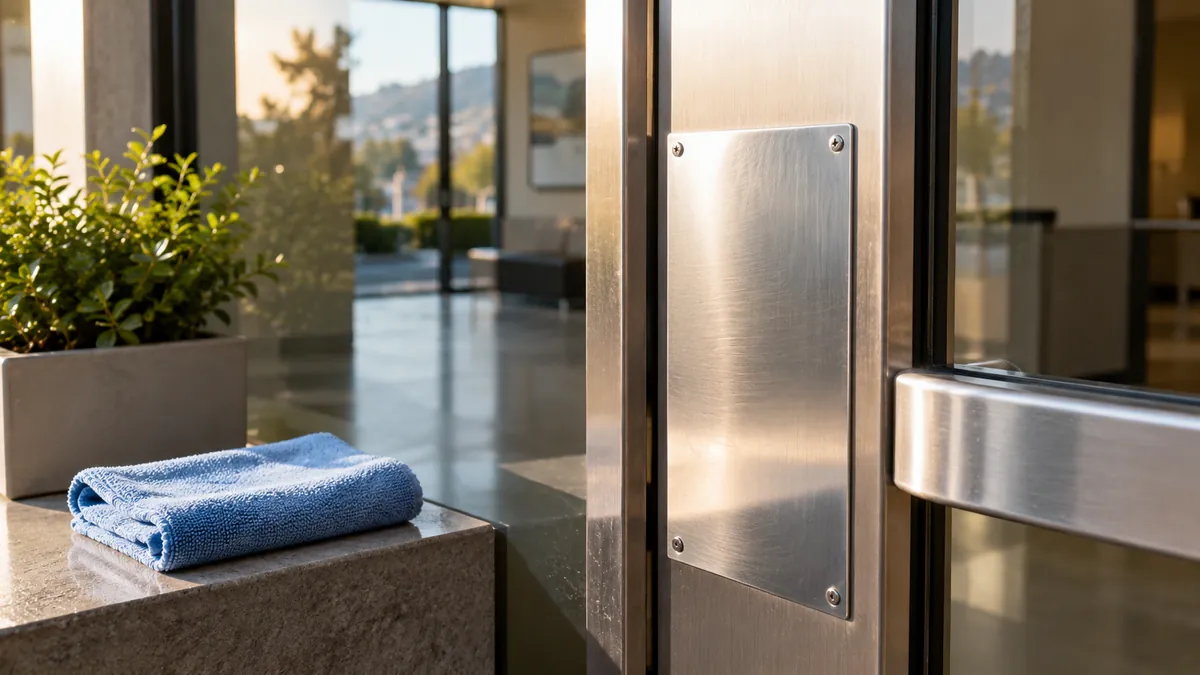
Construction dust settles on every ledge and shelf in the house. We clear it from the ceiling down, then wipe the handles and counters people touch all day.
Construction dust lands on every surface
A remodel leaves a film of fine dust on everything in the house, including rooms nobody worked in. Drywall sanding is the worst of it. The dust is ground gypsum, fine enough to hang in the air for hours and drift down the hallway before it settles. So we start high, with ceiling fans and the tops of door frames and window casings. Walls and counters come next. Floors come last, because everything above them ends up on them.
The usual mistake is mopping too early. Wet drywall dust turns into a gray paste that dries as a haze on tile and streaks on hardwood, and it packs into grout lines. We vacuum every floor first, including the edges along the baseboards, and only then go over it damp. Counters and cabinet faces work the same way: a dry pass lifts the dust, and the damp cloth comes after. Wipe first and you are just moving mud around.
The last thing we do in every room is the part you notice most. Door handles, light switches, cabinet pulls and the kitchen counters get a final wipe after the dust is gone. Those are the places people touch all day. Painters and electricians touch them for weeks during a job, so they carry fingerprints and a gray film from dusty gloves. When that pass is done right, you can run a hand along the counter and it comes away clean.
- Fixtures and door frame tops dusted first
- Floors vacuumed before any damp mopping
- Paint specks and label glue removed from glass
- Inside of cabinets and drawers vacuumed and wiped
- Handles and counters wiped down last
Old plaster walls make a heavier mess
Plenty of houses around Los Angeles are older Spanish style and Craftsman bungalows with lath and plaster walls. When a contractor opens one of those walls, the dust is different from new drywall. It is gritty and heavier, with sand from the plaster and whatever has sat inside the wall for decades. It drops fast and grinds into hardwood floors under shoes. On those jobs we vacuum the grit up before anything wet touches the floor. A damp mop would drag it across the wood and scratch the finish.
Mid-century ranch houses and newer builds mostly have drywall, and drywall dust behaves the other way. It is so fine it floats. It gets into the tracks of aluminum slider windows and sliding closet doors. It also settles on top of kitchen cabinets that stop short of the ceiling. Those cabinet tops are out of sight, so they get missed. They are also where the dust sits until a fan or a breeze moves it back down onto the counters.
A lot of the building around Los Angeles right now is backyard units and garage conversions. Those jobs put a construction site a few steps from the main house, and the dust follows people inside on their shoes and clothes. So a clean after a backyard unit goes up is often two jobs. One is the new unit itself. The other is the path through the main house that the workers used all along. We ask about that path when we put the estimate together.
Dry Los Angeles air keeps dust floating
Los Angeles gets little rain for most of the year, and the air indoors stays dry. Dust stays loose and light in dry air instead of clumping. Every door that opens and every fan that turns lifts some of it back up. That is why a house can look clean the afternoon we finish and show a thin layer on dark furniture a day later. The dust was still in the air, and it came down after we left.
Two things help. First, change the filter on the heating and cooling system once the sanding is over. The system pulls dust from every room and blows it back out of the vents. A filter that sat through the remodel is already packed with it. Second, book the clean after the last sanding and the last paint touchups, not before. Every trip back with a sander puts a new layer on rooms that were already done.
Closed doors do not keep construction dust out. It gets into kitchen drawers and closets, and new cabinets often collect dust on their shelves before the doors are even hung. We open every cabinet and drawer and vacuum the corners where the dust piles up, then wipe the shelves before anything goes back in. The vent covers get wiped too, since the air system blows dust through them. Skip the insides and the first plate you put away comes out gritty.
We clean new finishes without scratching them
Windows take the longest to get right. New glass arrives with stickers and label glue, and paint specks land on it from rollers and brushes. We lift paint off with a razor blade held flat against wet glass, and we never scrape a painted or vinyl frame. Near the coast in Santa Monica, damp mornings turn the dust on glass into a film that streaks when wiped dry. Those windows get washed instead. The tracks get vacuumed out before any of it.
New tile often has a thin gray haze on its face where grout dried on it. It looks like dust, but it is dried grout, and a dry cloth only smears it. Light haze comes off with clean water and a lot of patient wiping, and we rinse the cloth often so we are not spreading it around. Heavy haze is different. We point it out and leave it for the tile setter. Scrubbing hard enough to remove it can scratch the tile or pull grout out of the joints.
New appliances and fixtures show up covered in plastic film and labels. The film has to come off, and it often leaves glue behind on stainless steel and chrome. That glue holds dust, so a fridge door can look smudged even after a wipe. We work the glue off with a soft cloth and never with a scouring pad, which leaves scratches on stainless that do not come out. New stone counters get the same care: dust wiped off dry first, then a damp cloth, never anything gritty.
Get your post construction cleaning estimate
Tell us what was built or remodeled and which rooms it touched, and we will put together an online estimate.
Five stars on Google
We have not reprinted any of them here. The link opens our Google profile so you can read them at the source, which is worth more than a quote we picked ourselves.
Call now for a free cleaning quote
Book it after the last sanding and the last paint touchups are done, once the trades are out of the house. If a crew comes back to sand or cut, the dust comes back with them and settles on rooms that were already clean.
Drywall dust is fine enough to stay in the air for hours, and dry indoor air keeps it light. Some of it settles after we leave, and some blows out of the vents if the air filter is still the one from the remodel. Changing that filter once the work is over cuts down on it a lot.
Yes. Paint specks come off glass with a razor blade held flat on wet glass, and label glue comes off with a soft cloth. We do not scrape painted or vinyl frames, because a blade scratches them.
Yes. Construction dust gets inside closed cabinets and drawers, and new shelves often collect it before the doors go on. We vacuum the corners and wipe every shelf so nothing you put away comes out gritty.
A deep clean is for a house people have lived in, where grease and grime built up over time. A post construction clean goes after building residue like plaster grit, paint specks, grout haze and label glue. It also reaches places a lived-in home never collects dust, such as window tracks and the tops of door frames.
Yes. We clean offices and small boutique stores after a remodel or a build out, in the same order: dust from the top down, floors last. The final pass wipes the door handles and counters customers touch all day.
Tell us what needs cleaning.
Tell us about your home or workplace and we'll work out an estimate.
- Monday to Saturday8:00 AM to 6:00 PM
- SundayClosed